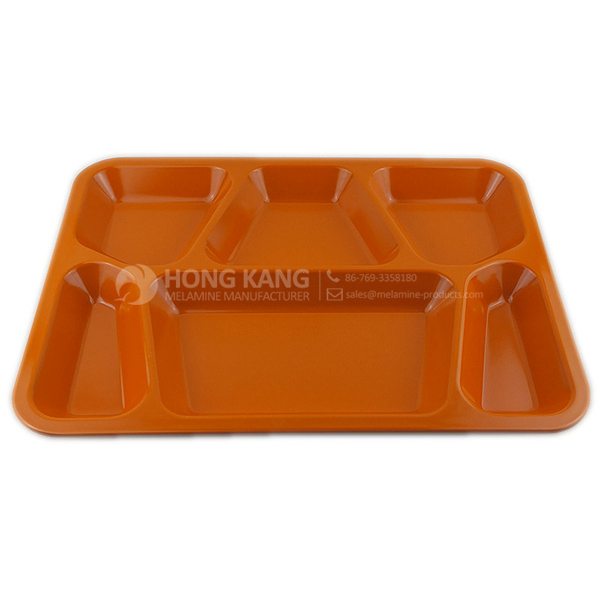
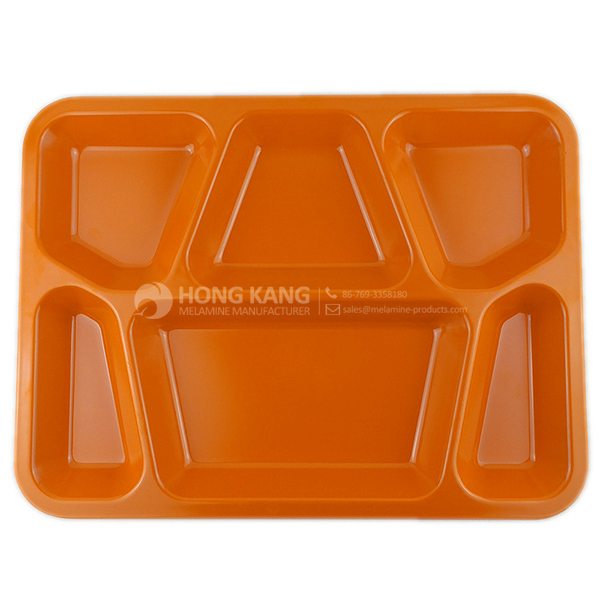
• Cheapest Price melamine divided tray to Maldives Factory
    Product Detail

    Features

    Care Instructions

    Product Tags

    Related Video

    Feedback (2)

    We have our own sales team, design team, technical team, QC team and package team. We have strict quality control procedures for each process. Also, all of our workers are experienced in printing field for childrens melamine dinnerware sets , melamine bowl , Melamine Square Ashtray , We focus on to make excellent quality products to supply service for our clients to establish long-term win-win relationship.
    Cheapest Price melamine divided tray to Maldives Factory Detail:

    Specification
    Item Name 15.5inch Melamine Divided Tray
    Item No. TR088
    Shape Rectangle
    Body Color Orange
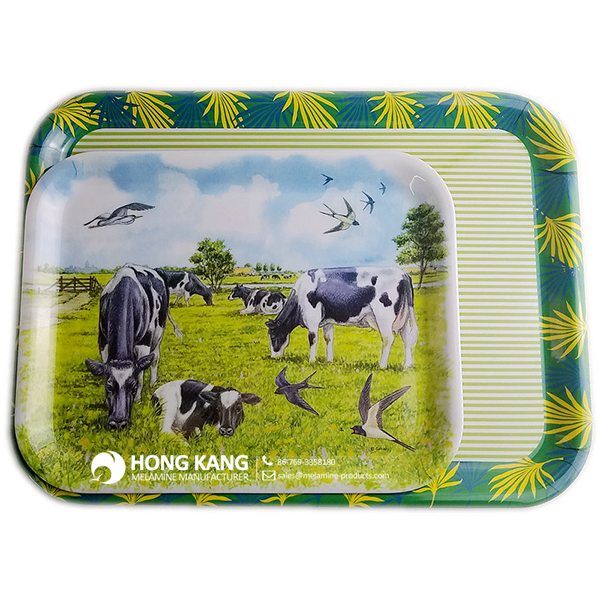
    Decal Color 4 colors print (if need)
    Finish Glossy
    Style Fashion
    Motif Design Customized
    Shape Design OEM/ODM
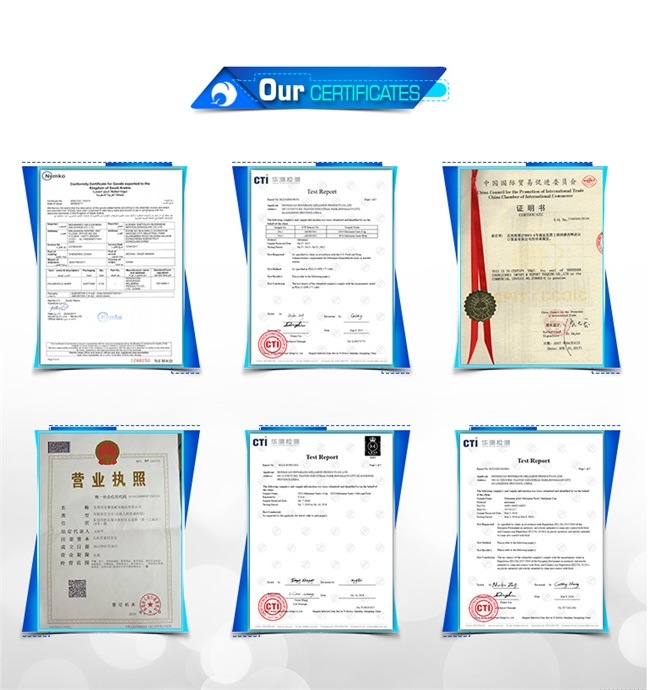
    Test Standard FDA,PROP 65,EN71,LFGB etc. by SGS or ITS
    Packaging 3pcs/box,12pcs/carton
    Dimensions
    Length 29.5 cm
    Width 39.5 cm
    Height 2.8 cm
    Capacity N/A
    Material
    Body Material 100%melamine
    Decal Material (if need) 4 colors print (CMYK), or spot color printing, RoHS certificate
    Imprint (if need) Seiko ink type 1000 or other type, RoHS certificate
    Accessories Information
    Lid included No
    Other No
    Weights
    Net Weight (kg) 7.8
    Shipping Weight (kg) 8.8

    Product detail pictures:

    Cheapest Price 
 melamine divided tray to Maldives Factory detail pictures

    Cheapest Price 
 melamine divided tray to Maldives Factory detail pictures


    Related Product Guide:
    Benefits of Melamine Dinnerware
    Top Ten Power Toothbrushes

    Innovation, excellent and reliability are the core values of our firm. These principles today more than ever form the basis of our success as an internationally active mid-size corporation for Cheapest Price melamine divided tray to Maldives Factory, The product will supply to all over the world, such as: Tajikistan , Portugal , Palestine , Our company absorbs new ideas, strict quality control, a full range of service tracking, and adhere to make high-quality solutions. Our business aims to "honest and trustworthy, favorable price, customer first", so we won the trust of the majority of customers! If you are interested in our items and services, please do not hesitate to contact us!

    FAQ: 1.Q: Where is your factory located? How can I visit there? A: Our factory is located in Guangdong province, China. Warmly welcome to visit us! 2.Q: What is the material of your products? A: The material is melamine.  3.Q: How can I get some samples? A: We can send the samples by Express/DHL/FedEx/UPS etc. 4.Q: How does your company do regarding quality control? A: We have a very strict QC system. Our inspectors have been closely monitoring the production process from the selection of raw materials to the final step of the finished products. 5.Q: Can you print our logo on the product & packing? A: Yes, We can print your logo on our products. Multicolor-Plastic-Dinnerware-Melamine-Dinner-Plate
    * Do Not Touch On Fire Directly
    * Do Not Washing By Steelwire Ball
    * Non-Microwave Ovens
    * Dishwasher Safe


  • Watch our step-by-step film showing how to lay laminate flooring, with expert advice and top tips to help you complete the job with confidence.

    See the other parts in this series:
    Part 1: Preparation

    Part 2: Underlay

    Part 4: Laying Tongue & Groove Solid Wood

    Part 5: Finishing Touches & Maintenance

    Visit the official B&Q YouTube channel. Here you’ll find the ideas and know-how you need to make your home improvement dream a reality: http://www.youtube.com/bandq

    Need a helping hand with your DIY project? We’re always uploading new films, so whatever your project, we’re here to support you 24/7. Subscribe today so you don’t miss out. http://www.youtube.com/subscription_center?add_user=bandq

    When embarking on any DIY project, health and safety is paramount. If you are unsure on the steps in this guide, professional tradesmen can be found via B&Q Homefit. For further information visit http://www.diy.com/B&QHomefit

    Please read the video disclaimer before undertaking tasks in this film: http://www.diy.com/videodisclaimer

    For more advice go to http://www.diy.com/advice
    To shop at B&Q go to http://www.diy.com
    Join the B&Q Club for exclusive offers: http://www.diy.com/club

    Follow us on Twitter: http://www.twitter.com/bandq
    Like us on Facebook: http://www.facebook.com/bandq
    Be inspired on Pinterest: http://www.pinterest.com/bandq
    Find ideas on Houzz: http://www.houzz.co.uk/pro/bandq/

    Our B&Q You Can Do It Book is available in-store. This complete step-by-step book of home improvement is the ultimate tool for successful home maintenance and makeovers, making those DIY projects easier with many useful guides and tips.


    Watch more Learn Woodworking videos: http://www.howcast.com/videos/500378-Joinery-Basics-Woodworking

    Joinery is the art and science of how you join two pieces of wood together. In woodworking, that’s actually not as simple as it sounds. When you’re joining two pieces of wood, you have to consider a couple factors. One is, wood is like a sponge and when it gets more humid out, it expands. During the winter, when it’s less humid, it contracts, and that can cause shifts in how wood is connected in pieces of furniture.

    The other most important thing that really effects joinery is the nature of wood it’s self. If you look at a piece of wood like this, the way to understand it is think of it like a packet of straws with all the open ends here, and here. And these are like long fibers of wood, here. So, when you go to join a piece of wood on the end, like this, whether you’re using glue or screws and nails, this end grain is a very weak part of the wood. It doesn’t hold fasteners well, and it doesn’t hold glue well because it soaks down into those open ends. So, woodworking joinery has been designed to get around the problem of end-grain, for the most part. That’s where all these joints come from. Let’s look at the four different applications of wood joinery, to begin with. This will give an overview.

    The first, and most obvious kind, is joining pieces of wood edge to edge, like this. This is where you’re making panels of wood, like on a tabletop, for example. Another way to join wood is to join the end to the face. So, here’s the face and you’re joining an end. This kind of joinery, you’ll see everything from nails and screws, all the way up to really fancy, dove-tail joinery. Another type of joinery is when you’re joining edge to face, like this. So, you’ve got one edge, and a face, but no end-grain involved here. So, lots of glue area, which creates different types of joints along here, and there’s a variety of joints, also, to fasten wood together, this way.

    The last way that you can join wood is variation on the end-to-face, it’s called end-in-the-middle-of-wood come to face, here. I guess you’d call this a shelf, or housing type joint. Usually, you’ll see a data or groove for things like this, or a sliding dovetail. Let’s look at the edge-to-face joint. One really common way to do that, is with miters. A miter joint is where both pieces of wood are cut at 45 degrees, and they join in a 90 degree corner. A pretty nice joint, and it can also be reinforced with splines, in this way. Here’s a plain miter joint, both of these picture frames. That’s a pretty common application, and for boxes and cabinets as well.

    Another common edge-to-face joint, is a box joint. A box joint is just a series of tabs and slots that connect together. This is also called a finger joint. So, the fourth type of joint is where you’re joining an edge to an end, in this way. This is a very common joint, that’s often made with a mortise and tenon, as an example. For instance, this could be a rail of a table, and this could be an apron. So, those are the four different types. Mortise and tenon is an example of that end-to-edge joint, where you’ve got a mortise in the edge of one, and you’ve got a tenon in the end of the other piece.

    In all of these instances, what we’re trying to do, and the whole basis of joinery, is trying to create as much long-grain surface, and as little end-grain surface as possible. In the mortise and tenon, here, we’ve got these wide faces which are all long-grain, and they’re meeting up with long-grain inside. So, a nice, strong glue joint for that one. You can also use methods, such as biscuits, to span these. Biscuits strengthen the end-grain of one board into the face of the other, and they join up, like that.

    So, all of these methods are used to join the wood, through the strong joint, without the use of fasteners, and that’s in traditional woodworking. You’re generally trying to make joints that have mechanical strength, and a lot of glue surface area that can hold the wood, without having to use fasteners.

    We are long-term partners, there is no disappointment every time, we hope to maintain this friendship later!
    5 Stars By Elaine from Cancun - 2016.01.28 19:59
    The company leader recept us warmly, through a meticulous and thorough discussion, we signed a purchase order. Hope to cooperate smoothly
    5 Stars By Sandra from Turkey - 2015.05.15 10:52

    Related Products

    WhatsApp Online Chat !